

Image: Tobias Bennett on Unsplash
In June 2020 I ran an online workshop to look at what COVID-19 (and the future thereafter) means for products, users, teams and society.
The impact of COVID-19 on products, UX and people, has been on my mind a lot since the lockdown began. I didn’t have many answers, but I wanted to bring people together to share what we know and see how we might make things better.
Basically, since the pandemic everything has changed. In particular, around these key areas:
- How can we research, innovate and launch new ideas when there is so much uncertainty?
- How are people’s behaviours changing? And their needs and expectations?
- And, most importantly, how will society change (for the better?) and what can we do to help build it anew?
Because we’re going to be building a new everything. So we might as well build it right.
“How might we…” questions as a springboard for your solutions 🤔
Together we identified some of the challenges and (in true Design Thinking style) captured stimulating How Might We (HMW) questions that, I hope, will act as a springboard for others to adapt their products, to improve their team-working and to craft a new society in light of the pandemic.
I hope they are of some value.
Users
Since the pandemic’s arrival, our users' needs are rapidly changing.
- How might we… assess whether users’ needs right now will be the same in the next month, or post-COVID?
- How might we… adapt to user needs now, but protect against over-correction?
Meanwhile, working remote, we’re extremely separated from our target users.
- How might we… increase the time we spend and learn from actual users, even though we are remote?
All the while, our user groups are changing and fragmenting. So….
- How might we… identify and create new user segments in this time?
- How might we… improve our data gathering to identify new user segments?
On the loss of contact with each other 😔
Users themselves are missing the small, real-world interactions with their colleagues, peers and wider networks.
- How might we… replicate real world interactions in the products and systems we’re building?
- How might we… better unite humans and technology, in order that we might better express ourselves?
- How might we… better replicate the chance meetings that allow for shared human connections?
(The last of these a really interesting one...
During the workshop, one of the attendees pined for the the random yet productive conversations that might occur say, at a conference during in a queue for coffee.
This led to the discussion of someone’s experiences at a recent online workshop on Zoom. There, in the breaks, the hosts used breakout meeting rooms, putting everyone randomly into rooms with one other person.
This facilitated the chance conversations that otherwise rarely happen in the online world.
This also has crossover with the question of “How might we… formalise processes to include steps and occurrences that would have happened organically before?”. This featured in our discussion on Teams.
... Anyway, I digress.)
- How might we… build more informal communication into our digital products?
- How might we… use mixed modes of communication to diversify the way we stay in touch?
- How might we… we build play, fun and creativity into our core online communication?
Uncertainty
Our users are facing a precarious and uncertain future…
- How might we… acknowledge the uncertainty around the information we ourselves are providing, in order to engender trust?
… and those of us who are self employed or work in the gig economy are less secure than ever.
- How might we… build products that help users find each other and find opportunities.
Users are finding themselves overworked in their wider lives, and it is hard for them to focus. Nor maintain progress in the things they start.
- How might we… build products that engage learners and help users focus?
- How might we… build products that convey clearly to users where they’re at within a product?
- How might we… build producers that give new users an idea of where to start?
- HMW… use our marketing, and onboarding and retention to help users figure out what to prioritise
Social equity and fairness
And as for the vulnerable, the excluded and minorities, they are suddenly finding themselves even more disenfranchised.
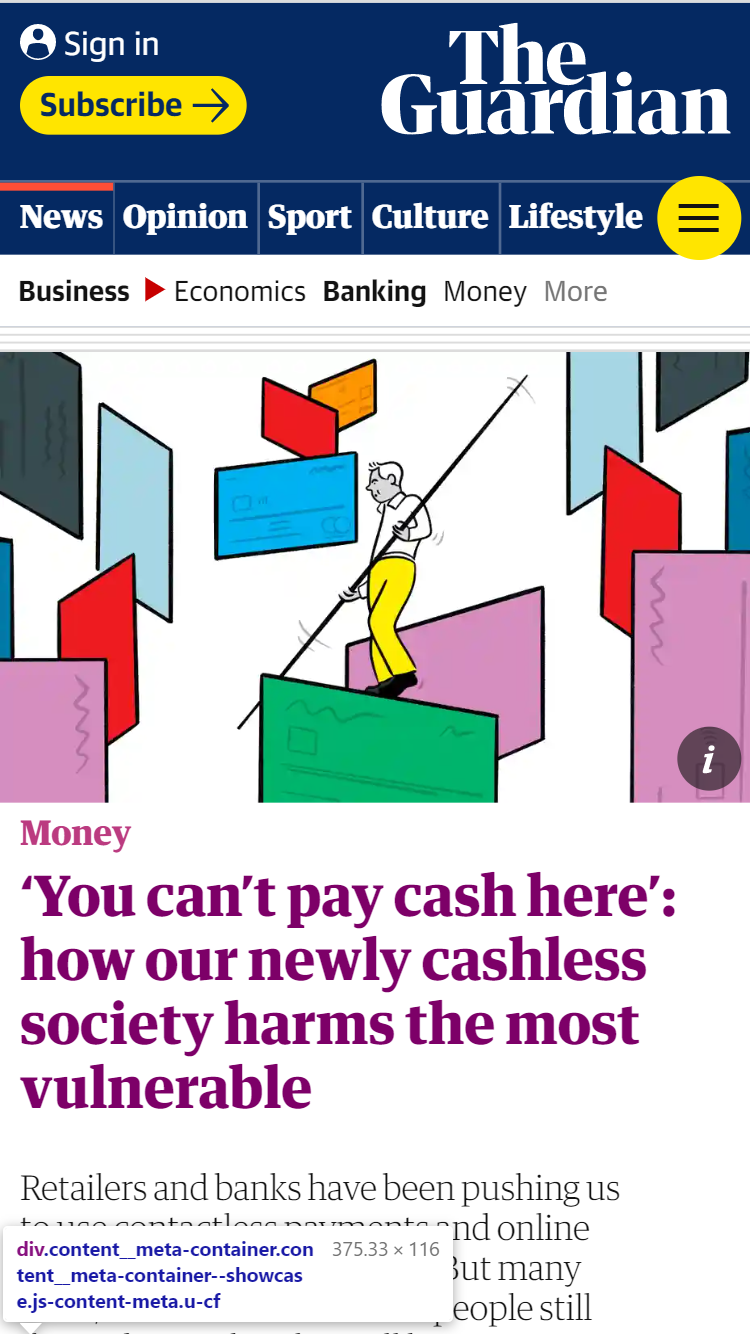
(☝️ this article is here.)
So…
- How might we… ensure our products and processes are as inclusive as they can be?
And as locked down product owners, who are (tbh) likely not to be counted amongst the disenfranchised, we’re even less likely to be interacting with the same range of people and places as we did before.
- How might we… as product owners, identify and research the needs of diverse people who are now even further out of our (reduced) zone of contact?
Stepping up a level there’s lots of talk how the world and society will change after COVID-19.
- How might we… build on the sense of change and optimism for the future?
However, our society’s inter-connectivity has taken a hit. Our access to each other is limited, due partly to social network effects and, in some places, the politicisation of the pandemic. So the pockets we find ourselves isolated in grow deeper.
The result? There is greater polarisation even the smallest differences between us.
- How might we… design products that increase our contact with those who are now out of our typical zone of contact?
- How might we… design products that find and build on commonalities, across the pockets of the internet.
- How might we… go beyond the echo chamber?
And whilst we’re all working from home, it’s now recognised a legitimate thing to do. Even if we are working in the evenings and early mornings more, to make up for childcare.
- How might we… build more flexibility into the systems in our society? (Flexible train season tickets for part time workers? I’m looking at you)
- How might we… make more services available online and out of hours?
- How might we… ensure equity for those for whom part-time, flexible working is not an option?
However in the rush to move online, to ‘construct’ safety and support the vulnerable, privacy issues are being overlooked
- How might we… gather data on workers needs, to create more equitable systems, but better communicate the use of that data and guarantee its safety?
- HMW… use biometrics in privacy-protecting ways?
- HMW… apply better safeguarding / child protection in an online world?
- HMW… avoid a step towards a new authoritarianism?
Moving on
Hopefully some of these questions will have inspired you.
The post 30 useful questions for products & users, post Covid-19 appeared first on Richard Edwards.
Thanks for reading Without Constraints! Subscribe for free to receive new posts and support my work.